
Early Intervention Services Understanding Your Childs Rights
Navigating Early Intervention Services A Multidisciplinary Approach
The Impact Of Early Intervention Services On Childhood Development
Early intervention services are vital for providing support to children experiencing developmental delays. These services encompass a variety of interventions, including speech therapy and behavioral therapy, aimed at assisting children in achieving their optimal development.
The exploration will delve into the different types of early intervention services available, the methods for accessing them, and the procedures involved in receiving these services. The analysis will focus on elucidating the profound impact that early intervention can have on the overall development of children.
What Are Early Intervention Services?

Early Intervention Services are specialized programs designed to provide crucial support to children during the formative years of their development, with a focus on enriching their cognitive, social, and emotional well-being. The primary objective of these services is to detect and address any developmental delays or challenges in children at an early stage, offering the necessary assistance to ensure their optimal growth and learning.
Through early intervention, these programs play a pivotal role in establishing a solid foundation for the future success of a child. Studies indicate that timely intervention can result in substantial enhancements in educational outcomes, as children are better equipped to surmount obstacles and realize their full potential. Not only do early intervention services bolster academic advancement, but they also contribute to overall health and well-being, fostering a supportive environment for children to flourish in.
With tailored interventions and therapies, these programs are tailored to meet the distinct needs of each child, promoting inclusive and comprehensive development.
Why Are Early Intervention Services Important for Childhood Development?
Early Intervention Services play a pivotal role in influencing the trajectory of childhood development by promoting positive outcomes through proactive support and parental engagement. These services are specifically designed to address developmental challenges at an early stage, ensuring timely interventions to optimize children’s potential.
Through the identification and mitigation of potential delays or disabilities during the formative years, early intervention programs significantly enhance a child’s likelihood of excelling across various facets of life. Central to the success of these programs is the active involvement of parents, who serve as essential partners in their child’s developmental journey. When parents actively participate in and adhere to the interventions prescribed by professionals, they can reinforce and amplify the benefits derived from the services rendered.
Consistent research findings underscore that children benefiting from early intervention services exhibit superior cognitive, social, and emotional developmental outcomes relative to their peers who do not receive such services. This emphasizes the critical role that parental guidance and proactive support play in shaping a child’s future trajectory.
How Do Early Intervention Services Help Children with Developmental Delays?
Early Intervention Services utilize a variety of intervention strategies specifically tailored to address developmental delays in children, with a primary focus on promoting healthy child behavior and development. Through the application of specialized techniques and therapies, these services are designed to enhance language development, motor skills, and cognitive abilities in children who exhibit delays.
These intervention strategies encompass a range of approaches, including play-based therapies that foster social interaction, speech therapy to cultivate communication skills, and physical therapy to enhance motor function. By targeting specific areas of delay, these therapies not only address developmental gaps but also assist in managing challenging behaviors that may manifest due to frustration or communication obstacles.
The impact of these interventions on child behavior can be profound, resulting in enhancements in attention, socialization, and emotional regulation. It is imperative to customize interventions according to the unique needs of each child to optimize their potential for growth and development.
What Are the Benefits of Early Intervention Services?
Early Intervention Services offer a diverse array of advantages, encompassing enhanced sensory integration, augmented family support, and timely identification of developmental hurdles. These services play a pivotal role in providing essential aid in cultivating favorable family dynamics and establishing a nurturing ambiance for the comprehensive growth of children.
By proactively addressing sensory processing challenges at an early stage, children are better equipped to regulate their responses to stimuli, resulting in heightened concentration and improved conduct. The active involvement of families in the intervention procedure advocates for a unified method, fortifying the support system revolving around the child. The prompt identification of developmental delays enables timely interventions, laying the groundwork for more favorable outcomes in various spheres of a child’s development and well-being. The holistic approach of these services underscores the significance of considering the child’s surroundings, relationships, and individual requirements in advancing healthy development.
What Are the Different Types of Early Intervention Services?
Early Intervention Services encompass a range of specialized therapies, including Speech Therapy, Occupational Therapy, Physical Therapy, and Behavioral Therapy, designed to target specific developmental requirements in children. These therapeutic interventions prioritize the enhancement of communication skills, motor development, and behavioral management in young individuals.
Speech Therapy aims to enhance language skills, articulation, and fluency, which are vital components of effective communication. Occupational Therapy strives to foster independence by improving fine motor skills and sensory processing. Physical Therapy concentrates on enhancing gross motor skills to boost strength, coordination, and balance. Behavioral Therapy is dedicated to addressing challenging behaviors and imparting positive coping mechanisms for emotional regulation.
Each therapy modality consists of customized sessions and intervention strategies tailored to meet individual needs and promote comprehensive development in children.
1. Speech Therapy
Speech Therapy is a specialized intervention aimed at enhancing language development and communication skills in children through the concerted efforts of a multidisciplinary team. This therapeutic approach targets speech and language difficulties early on to facilitate the acquisition of effective communication skills.
It is imperative to recognize the foundational role of language skills in a child’s holistic development. Speech therapy equips children with the necessary tools and techniques to overcome speech impediments and articulate their thoughts clearly. The collaborative intervention team typically comprises speech-language pathologists, educators, and parents, collaborating to devise a tailored treatment plan. This collaborative approach ensures a comprehensive intervention that not only addresses speech challenges but also delves into underlying language issues that may impede effective communication.
By cultivating a supportive environment and employing evidence-based practices, speech therapy significantly contributes to fostering children’s confidence in utilizing their language skills proficiently and confidently.
2. Occupational Therapy

Occupational Therapy is centered on enhancing motor skills and sensory processing in children, with the goal of fostering coordinated care to support holistic development. The primary focus of this therapeutic approach is to address sensory challenges and motor development issues, ultimately aiming to enhance children’s adaptive behavior and functional abilities.
Through the implementation of targeted activities and interventions, occupational therapists play a critical role in assisting children in the development of balance, coordination, and fine motor skills that are fundamental for daily tasks. Additionally, occupational therapists work on sensory integration to improve a child’s capacity to interpret and respond to sensory stimuli effectively. By formulating individualized plans that are customized to meet the unique needs of each child, occupational therapy significantly contributes to the establishment of foundational skills essential for meaningful participation in activities and social interactions.
3. Physical Therapy
Physical Therapy is dedicated to improving motor development in children by utilizing therapeutic interventions that facilitate the early identification of developmental issues. The primary objective of this therapy is to enhance children’s motor skills and overall physical well-being by addressing physical challenges at an early stage.
Timely detection is crucial in ensuring that children receive appropriate interventions promptly to optimize their motor development. Physical therapists employ customized exercises and techniques to assist children in overcoming obstacles like muscle weakness, coordination issues, and movement disorders. These interventions not only improve physical capabilities but also foster confidence and independence in children as they engage in various activities and confront challenges in their daily routines.
4. Behavioral Therapy
Behavioral Therapy is centered around modifying behavior through individualized intervention plans and customized services that are specifically tailored to address the particular behavioral challenges present in children. The primary objective of this therapy is to encourage positive behavior and enhance social interaction skills through the implementation of targeted strategies.
It is essential to recognize the critical role that these individualized intervention plans play in achieving successful outcomes for children who are encountering behavioral difficulties. During the process of behavior modification, therapists collaborate with children to identify the triggers of negative behaviors and devise coping mechanisms to facilitate more adaptive responses. By customizing the services to meet the distinct needs of each child, behavioral therapists can effectively target problematic behaviors and employ strategies to enhance social interactions, communication abilities, and emotional regulation.
Through a focus on specific intervention objectives, these therapy sessions offer a structured approach to fostering positive behavioral changes and improving overall well-being.
How to Access Early Intervention Services?
The process of accessing Early Intervention Services typically commences with the acquisition of a referral from a physician or educator, followed by a formal request for evaluation and subsequent contact with local programs offering community services. These initial procedural steps are vital in initiating the provision of specialized assistance for children with developmental requirements.
Following the receipt of a referral, a critical stage involves the evaluation process, during which professionals conduct an assessment of the child’s developmental status and identify areas necessitating intervention. This evaluation serves as a fundamental framework for customizing support services to address the specific developmental needs of the child.
Subsequently, engaging with local programs specializing in early intervention becomes essential. These specialized programs play a pivotal role in delivering an array of services, encompassing therapies, counseling, and educational support, thereby ensuring a comprehensive approach to the child’s holistic development.
1. Referral from a Doctor or Educator
The initiation of Early Intervention Services typically begins with a referral from a medical professional or educator, marking the commencement of the early detection process through professional evaluations. These evaluations serve as the foundation for crafting personalized plans and granting access to educational materials tailored to the specific requirements of the child.
The involvement of an interdisciplinary team comprising speech therapists, occupational therapists, and psychologists is integral in conducting thorough assessments aimed at identifying a spectrum of developmental areas necessitating intervention. By amalgamating insights from these diverse professionals, early intervention programs can cater to a broad array of needs, spanning from speech and language delays to motor skill deficiencies, thus ensuring a comprehensive approach to the child’s growth. This multidisciplinary strategy facilitates the implementation of a more efficient and targeted intervention plan, fostering favorable outcomes for children in need of specialized assistance.
2. Requesting an Evaluation
The initiation of an evaluation process holds paramount importance in accessing Early Intervention Services as it serves the purpose of identifying appropriate intervention strategies and facilitates progress monitoring by the intervention team. This evaluative phase is essential in the formulation of customized intervention plans aimed at addressing the developmental requirements of the child.
By evaluations, the intervention team acquires valuable insights into the child’s competencies, areas necessitating improvement, and specific challenges encountered. These assessments form the bedrock for the selection of evidence-based intervention methodologies that are most apt in effectively catering to the child’s distinct requirements.
Evaluations assume a pivotal role in establishing baseline parameters for progress monitoring, thereby enabling the team to chart the child’s developmental trajectory over time and make requisite modifications to the intervention plan as warranted.
3. Contacting Local Early Intervention Programs
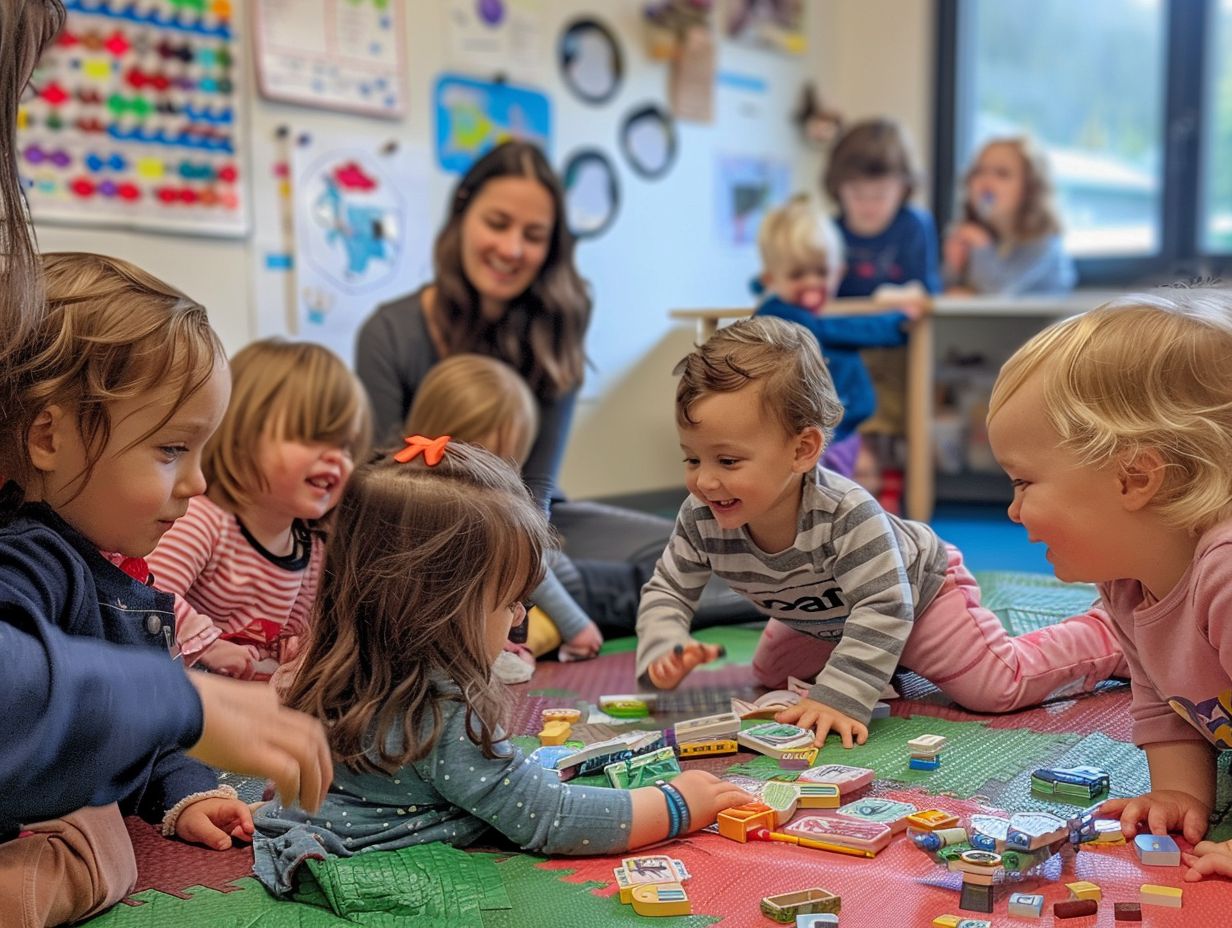
Connecting with local Early Intervention Programs is a crucial step in accessing specialized services that target specific developmental outcomes and intervention goals for children. These programs provide customized support to address developmental challenges, facilitating positive developmental results through individualized strategies.
Through involvement with these programs, children receive personalized attention and care that is tailored to their distinctive needs, establishing a nurturing environment for growth and development. The emphasis is placed on developing a structured plan that aligns with the child’s capabilities and areas requiring enhancement, ensuring the attainment of milestones and progress. Early intervention programs underscore early identification and prompt intervention, acknowledging that timely support plays a pivotal role in enhancing developmental outcomes and laying the groundwork for future success.
What Is the Process of Receiving Early Intervention Services?
The process of receiving Early Intervention Services typically includes an initial evaluation, the establishment of an Individualized Family Service Plan (IFSP), the provision of specialized services within a family-centered care approach, and ongoing monitoring and reassessment to monitor progress.
During the evaluation phase, professionals evaluate the child’s developmental needs and family dynamics in order to develop a customized IFSP that targets specific objectives and interventions. This plan is collaboratively created with the family to ensure their active participation and support.
The implementation stage focuses on delivering the designated services in a home environment, emphasizing consistency and a nurturing environment for the child. Continuous monitoring of progress enables adjustments to the plan as necessary to enhance outcomes and promote the overall well-being of the family.
1. Evaluation and Assessment
The evaluation and assessment phase within early intervention services entail conducting comprehensive evaluations rooted in developmental psychology principles. These evaluations serve as the basis for developing educational interventions and personalized strategies through developmental assessments. Such assessments lay the groundwork for formulating individualized plans aimed at addressing specific developmental requirements.
Through the execution of these assessments, professionals can acquire valuable insights into a child’s strengths and areas necessitating support. This, in turn, enables targeted interventions to be implemented to enhance the child’s overall development. Developmental assessments serve the dual purpose of pinpointing delays or challenges and tracking progress over time, thereby ensuring the effectiveness and adaptability of interventions to cater to the child’s evolving needs.
The alignment of educational interventions with developmental psychology principles guarantees that strategies are evidence-based and tailored to accommodate the distinct learning styles and capabilities of each child. This approach fosters optimal growth and success by providing a framework that is both informed and responsive to the individual needs of the child.
2. Individualized Family Service Plan (IFSP)
The Individualized Family Service Plan (IFSP) is a personalized document that delineates educational objectives, community services, and educational resources tailored to address the child’s specific developmental requirements. This document functions as a strategic framework for the implementation of targeted interventions and supportive measures.
Crafted through collaborative efforts involving the child’s family, early intervention specialists, therapists, and educators, the IFSP ensures a comprehensive and multidisciplinary approach. Encompassing various domains such as speech therapy, occupational therapy, physical therapy, and social-emotional development, the plan clearly articulates objectives and timelines, guaranteeing the provision of requisite services and therapies to augment the child’s overall development.
Community resources, including parent support groups, play a pivotal role in assisting families in executing the strategies delineated in the IFSP, thereby fostering a holistic and supportive network for the child’s well-rounded growth and development.
3. Implementation of Services
The implementation phase within early intervention services encompasses the execution of customized services by the intervention team, utilizing specific intervention models aimed at fostering skill development, peer relationships, and social interaction. This phase is centered around actively involving children in therapeutic interventions to bolster their overall advancement.
Integrating interventions such as the Developmental-Individual Relationship-based model (DIR) and the Early Start Denver Model (ESDM) enables the intervention team to effectively address the distinctive needs of each child. These models underscore the significance of nurturing strong relationships between the child and their caregivers, establishing a supportive setting for skill enhancement. Through structured activities and play-based therapies, children are provided with opportunities to cultivate communication skills, enrich social interactions, and fortify cognitive abilities, all of which are crucial for their comprehensive development.
4. Monitoring and Re-evaluation
The monitoring and re-evaluation of early intervention services are critical aspects that focus on tracking progress, evaluating learning outcomes, and addressing emerging behavioral challenges. This ongoing monitoring is essential to ensure the effectiveness of interventions and their adaptability to the evolving needs of children.
Regular assessment of intervention effectiveness through progress monitoring enables professionals to make informed decisions regarding any necessary adjustments to achieve optimal outcomes. Progress monitoring entails gathering data on a child’s performance in various skills and behaviors to assess the impact of the interventions. This process yields valuable insights into areas where additional support may be needed, facilitating timely modifications to strategies. Addressing behavioral challenges through targeted interventions guided by progress monitoring data allows for a personalized and effective approach to supporting children in their developmental journey.
What Are the Long-Term Effects of Early Intervention Services on Childhood Development?

The enduring impacts of Early Intervention Services on childhood development extend beyond immediate benefits, exerting an influence on social development and fostering positive developmental outcomes. These services play a significant role in laying solid foundations for lifelong learning and well-being, thereby shaping children’s trajectories for future success.
By addressing developmental delays and offering essential support, Early Intervention Services facilitate the development of crucial social skills such as communication, empathy, and cooperation in children. Through these early interventions, children acquire the ability to cultivate healthy relationships, navigate social interactions, and establish a sense of belonging within their communities. The favorable effects of these services are evident in enhanced self-confidence, emotional regulation, and adaptability, laying the groundwork for sustained growth and development across various facets of life.
Frequently Asked Questions
What are early intervention services and how do they impact childhood development?
Early intervention services are specialized support and therapies for children with developmental delays or disabilities. These services can include speech therapy, occupational therapy, and physical therapy, among others. Research has shown that early intervention can significantly improve a child’s cognitive, social, and emotional development, leading to better long-term outcomes.
What are the benefits of early intervention services for childhood development?
Early intervention services can provide a range of benefits for children, including improved communication skills, increased independence, and better academic performance. These interventions can also help to prevent or minimize future developmental delays or disabilities, reducing the need for more intensive services later in life.
At what age should a child receive early intervention services?
Early intervention services are typically recommended for children under the age of three, as this is a critical period for brain development. However, children of any age can benefit from these services, and it is never too late to seek support for a child’s developmental needs.
What types of professionals provide early intervention services?
Early intervention services are provided by a team of professionals, including early childhood educators, speech therapists, occupational therapists, and physical therapists. These professionals work together to create a personalized plan for each child, based on their individual needs and goals.
Are early intervention services covered by insurance?
In many cases, early intervention services are covered by insurance, including Medicaid and private insurance plans. It is important to check with your insurance provider to understand the specific coverage for early intervention services and any potential out-of-pocket costs.
How can parents access early intervention services for their child?
If you have concerns about your child’s development, you can talk to your child’s pediatrician or contact your local early intervention agency for an evaluation. If your child is found to be eligible for services, an individualized plan will be created to support their development.
Early Intervention Services
Carolina Behavior & Beyond
214 West Main Street
Lexington, SC 29072
803.957.4482
https://carolinabehaviorandbeyond.com/
https://www.google.com/maps?cid=4128934420954906325